
Luxury Vinyl Plank vs. Hardwood Flooring: Which Is Right for Your Georgia Home?

If you are replacing floors in Senoia, Peachtree City or Newnan, there is a good chance you have narrowed it down to two options: real hardwood or luxury vinyl plank (LVP). Both look great in a living room. Both can raise the appeal of your home. But they behave very differently once kids, pets, Georgia humidity and a spilled glass of sweet tea get involved.
Our team at Senoia Flooring has 40 years of experience installing both. Below is the same side-by-side comparison we walk customers through when they visit us, so you can make the call with confidence.
What Is Luxury Vinyl Plank?
Luxury vinyl plank is a layered synthetic floor made to look like wood. A printed design layer gives it the grain and color, and a clear wear layer on top protects it from scratches and scuffs. Most modern LVP has a rigid core (often called SPC or WPC) that makes it stable and waterproof. It usually installs as a floating floor with planks that click together.
What Is Hardwood Flooring?
Hardwood is milled from real trees such as oak, hickory and maple. Solid hardwood is one piece of wood from top to bottom. Engineered hardwood has a real wood top layer bonded to a plywood or composite base, which makes it more stable when humidity changes. Hardwood can be sanded and refinished, which is why a well-kept hardwood floor can last for generations.
LVP vs. Hardwood at a Glance
Factor | Luxury Vinyl Plank | Hardwood |
Look and feel | Realistic wood look; feels slightly softer and warmer underfoot | Authentic grain, natural variation and the solid feel of real wood |
Water resistance | Most rigid-core products are waterproof | Water can stain, cup or warp boards |
Scratch resistance | Strong, depending on wear layer thickness | Can scratch and dent, especially softer species |
Refinishing | Cannot be refinished; damaged planks are replaced | Can be sanded and refinished several times |
Best rooms | Kitchens, bathrooms, laundry rooms, basements, whole-home | Living rooms, dining rooms, bedrooms, entryways |
Resale value | Well received by buyers, especially families | Long seen as a premium feature by buyers |
Typical lifespan | Roughly 10 to 25 years | Decades with proper care and refinishing |
Durability: Who Wins With Kids and Pets?
For busy households, LVP usually comes out ahead. A good wear layer resists the scratches from dog nails, dropped toys and chairs being pushed back from the table. When you shop, ask about the wear layer measurement (listed in mils). Thicker wear layers hold up better in high-traffic homes.
Hardwood is tough but not scratch-proof. Harder species like hickory and white oak handle wear better than softer woods, and a matte or wire-brushed finish hides small scratches well. The big advantage is that when hardwood does show its age, it can be refinished to look new again. LVP cannot.
Water and Humidity: A Big Deal in Georgia
Middle Georgia summers are hot and humid, and many homes in Coweta and Fayette County sit over crawl spaces. That moisture matters. Solid hardwood expands and contracts as humidity rises and falls, and too much moisture from below can cause boards to cup. Proper acclimation, a moisture check of the subfloor and good crawl space conditions help prevent this, which is one reason professional installation matters.
Waterproof LVP is not affected by humidity in the same way, and a spill or a leaking dishwasher will not ruin it if cleaned up. That makes LVP the easy choice for kitchens, bathrooms, laundry rooms and basements. If you love the look of wood but are worried about moisture, engineered hardwood is a middle option worth asking about.
Cost: Upfront Price vs. Long-Term Value
Installed prices overlap more than most people expect. National cost guides put installed luxury vinyl plank at roughly $6 to $20 per square foot and hardwood at roughly $6 to $18 per square foot, depending on the product and labor involved. Entry-level LVP tends to cost less than entry-level hardwood, while premium LVP can cost as much as mid-range hardwood.
The bigger cost difference shows up over time. Hardwood can be refinished for a fraction of the cost of replacement, so a hardwood floor may outlast two or three LVP floors. On the other hand, LVP rarely needs anything beyond sweeping and damp mopping. The right answer depends on how long you plan to stay in your home.
For an exact number for your rooms, request a free quote from our team.
Look and Feel
Today's LVP looks far more realistic than vinyl from even ten years ago. Embossed textures follow the printed grain, and planks come in wide and long formats. Most guests will not notice the difference from across the room.
Up close and underfoot, hardwood still has the edge. Every board is unique, the floor sounds solid when you walk on it, and it ages with character. If authenticity matters most to you, hardwood is hard to beat.
Resale Value
Hardwood has long been one of the features homebuyers look for in listings, and it can help a home stand out. Quality LVP has become widely accepted too, and many buyers with kids or pets see it as a plus. If you are planning to sell in the next few years, hardwood in the main living areas and LVP in wet areas is a popular combination that covers both.
Installation and Maintenance
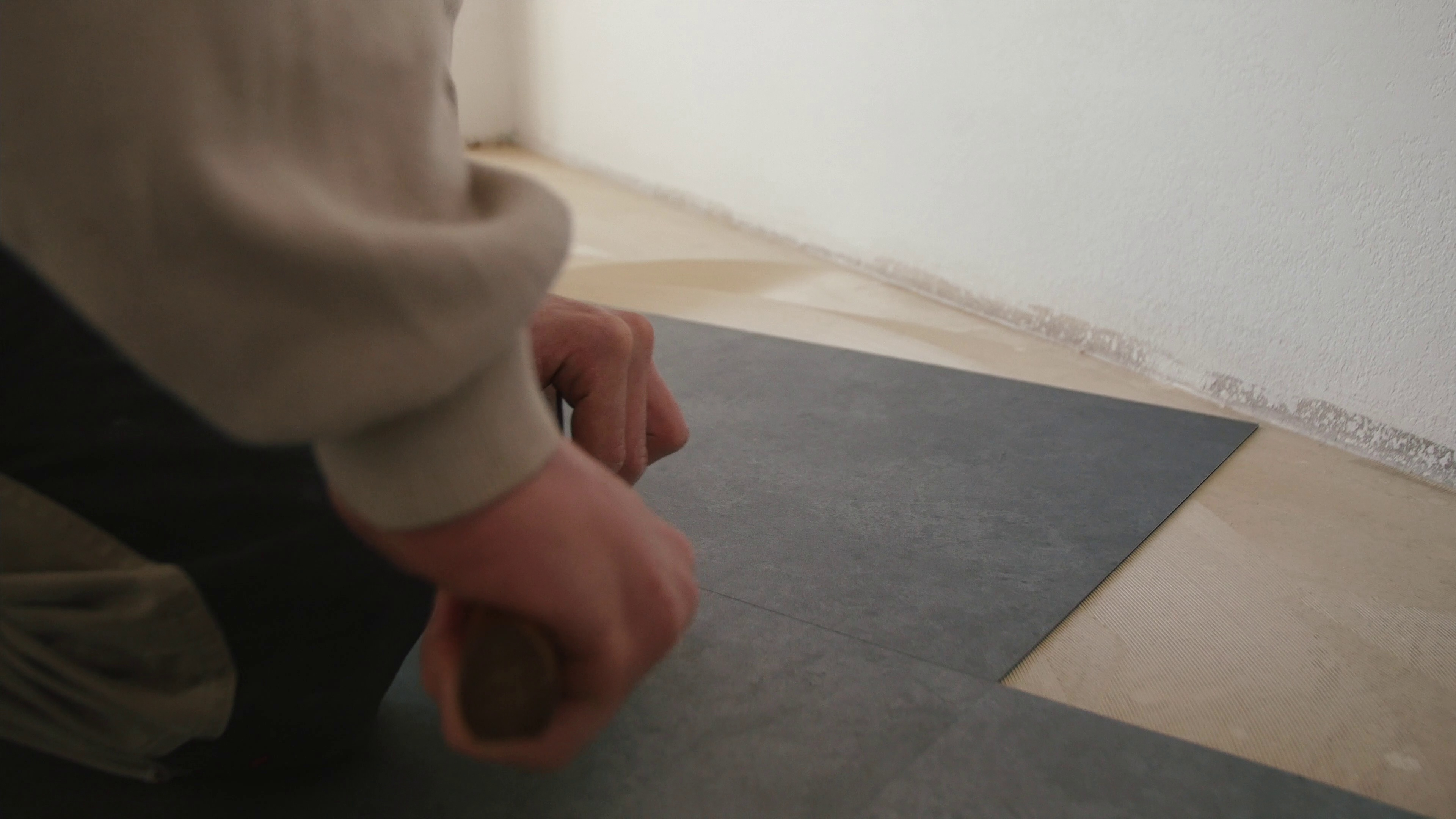
LVP installs faster, often over an existing hard floor, and it can be walked on right away. Hardwood takes longer: boards need to acclimate, and site-finished floors need time to cure. Both benefit from professional installation, since an uneven subfloor will cause problems with either one.
For maintenance, LVP needs sweeping and a damp mop. Hardwood needs a wood-safe cleaner, felt pads under furniture and occasional refinishing. Avoid steam mops on both.
So, Which Should You Choose?
Choose luxury vinyl plank if you have pets or young kids, need flooring for a kitchen, bathroom or basement, want a lower-maintenance floor, or want one look throughout the house.
Choose hardwood if you want an authentic, natural floor, plan to stay in your home for many years, are focused on resale value, or are flooring living rooms, dining rooms and bedrooms.
Many homeowners end up using both: hardwood where the family gathers and LVP where water and heavy traffic are a concern.
Frequently Asked Questions
Is LVP better than hardwood?
Neither is better in every case. LVP is better for water resistance and low maintenance. Hardwood is better for authenticity, lifespan and refinishing. The best choice depends on the room and your household.
Does LVP increase home value?
Quality LVP can make a home more appealing to buyers, especially compared with worn carpet. Hardwood is still generally seen as the more premium feature.
Can you put hardwood in a kitchen?
Yes, many homes have hardwood kitchens. It needs prompt cleanup of spills and rugs near the sink and dishwasher. If you want zero worry, LVP or tile is a safer choice.
How long does LVP last?
Most quality LVP lasts roughly 10 to 25 years, depending on the wear layer and traffic.
See Both Side by Side at Senoia Flooring
The fastest way to decide is to see and feel samples in person. Visit us at 6857 Highway 16, Suite 1013, Senoia, GA 30276, or call 678-723-7014. We serve homeowners in Senoia, Sharpsburg, Peachtree City, Fayetteville, Tyrone, Newnan and surrounding communities, and we offer free quotes on hardwood flooring and luxury vinyl plank installation.

Comments